Here’s how we achieve a high quality finish on uncoated papers, even with dark or ‘less than perfect’ images.

1. Conversations
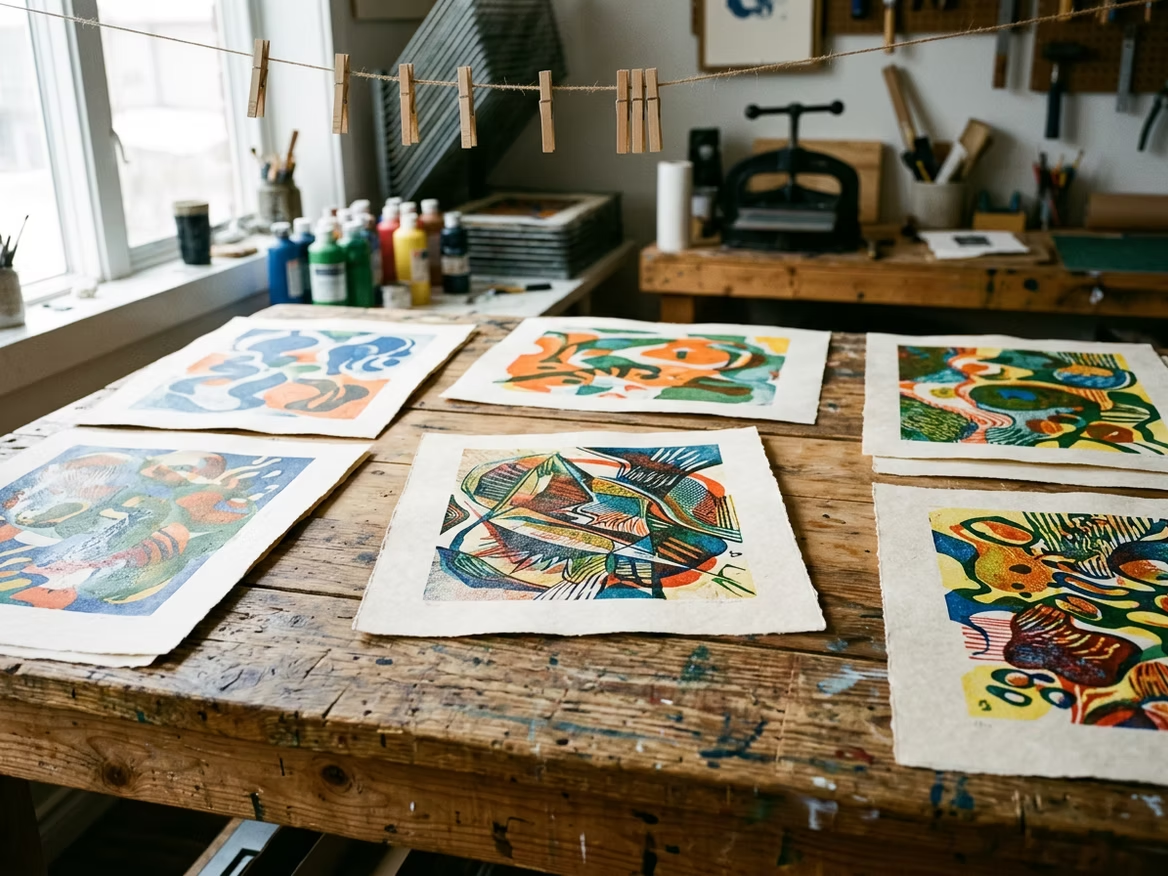
Probably the most important first step we take here at Printcraft is a conversation with the customer. It’s critical they understand the ink won’t look glossy on an uncoated paper, and dark solid colours will be absorbed and lose much of their fine detail.
2. Colour
To get the very best result, our prepress team apply an ‘uncoated paper’ curve to the entire document. This takes every image and every colour and optimises it to suit the stock.

3. Retouching
Case Study: This photo of the three Somerville House students (image right) had dark shadows over their faces. Lightening the whole image would take out too much ink and make the print washed out, so our prepress team created a mask of only the shadowed areas on the face. We then lightened and removed black from only this area, leaving the rest of the photo untouched.
4. Proofing
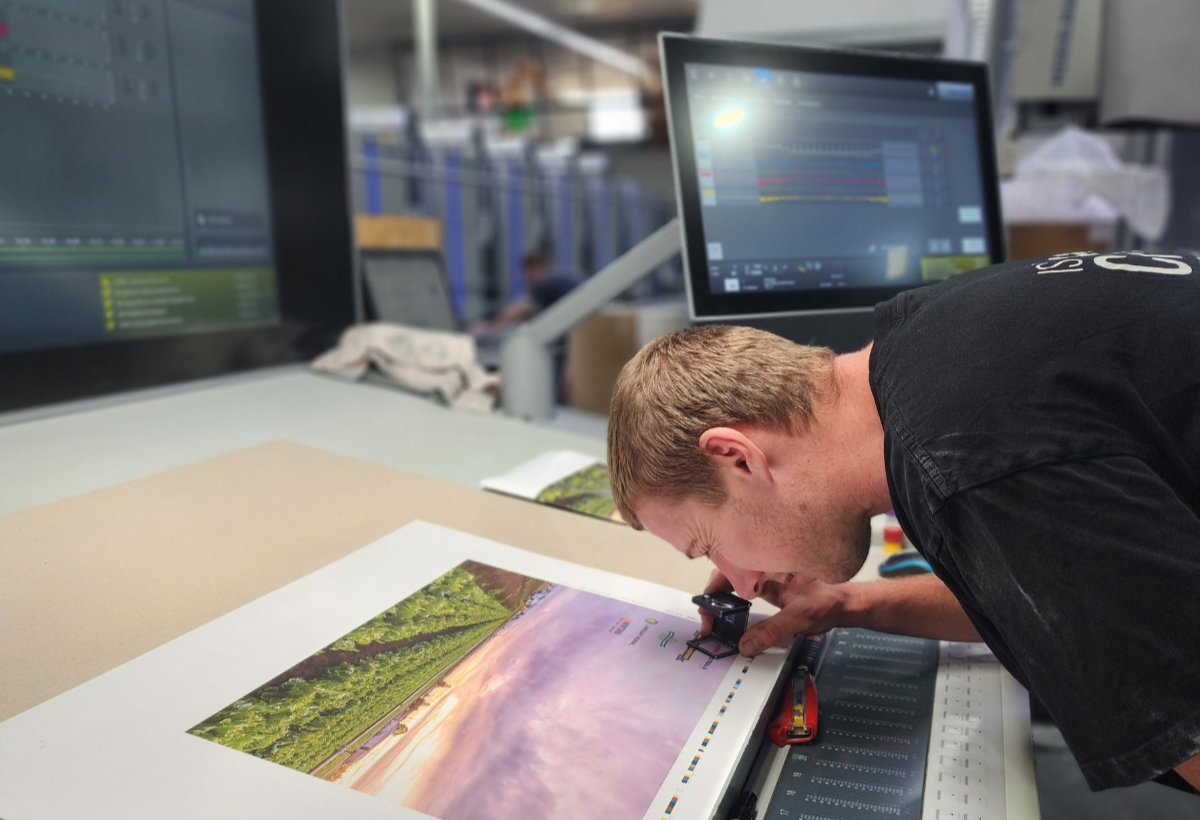
Printcraft does something that not all printers do – we generate calibrated proofs on uncoated paper. This gives our customers an accurate picture of what the finished job will look like before it hits the press.

5. Printing
Once everything is signed off, plates are produced at a 150 line screen, and the settings we’ve applied to the proofs are all fingerprinted to our presses.
Printcraft is Queensland’s largest privately owned printing company. We specialise in the design, print, mail and logistics. For more information on on our services, or to request a quote, or contact us directly.